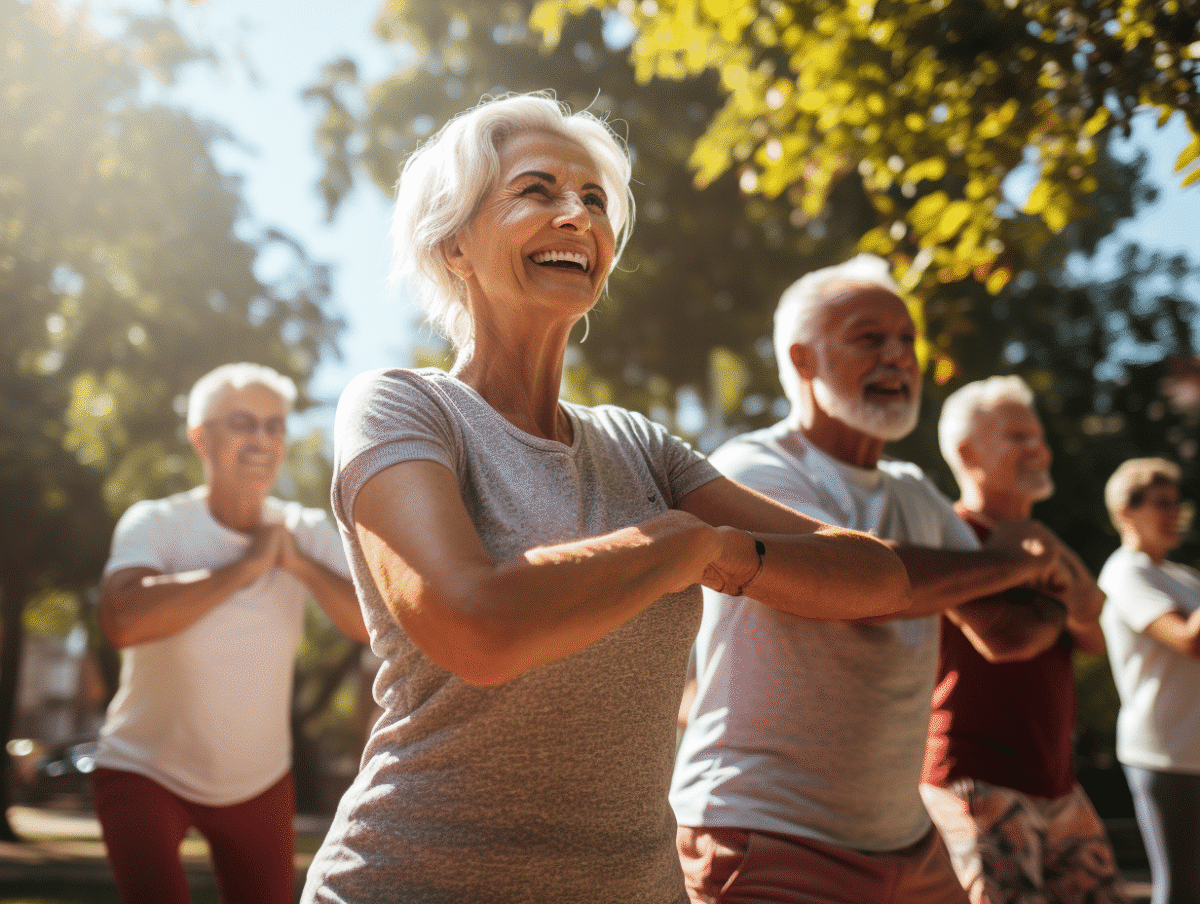
As the population ages, the importance of maintaining an active lifestyle for seniors becomes crucial for their well-being. The benefits of physical exercise on the health of older adults are numerous: improved mobility, muscle strengthening, fall prevention, and even positive effects on mental health. However, physical activity programs specifically designed for seniors can help maximize these benefits while minimizing the risk of injuries.
Adaptation and Benefits of Physical Activity for Seniors
In the fight against sedenatary lifestyle, adapting physical activities for older adults proves to be a winning strategy. France Médicale emphasizes that exercises specifically designed for seniors help mitigate the harmful effects of a sedentary life, particularly the decrease in bone density and loss of muscle strength. Adapted physical activities promote overall health, prolong autonomy, and increase active life expectancy.
Researchers observe a positive correlation between the regular practice of adapted physical activity and the prevention of chronic diseases. Gentle movements, from walking to swimming, including yoga or tai chi, are wise choices for maintaining optimal health in seniors. These practices are both gentle enough to be accessible and stimulating enough to provide real benefits physically and mentally.
Sedentary lifestyle, identified as a public health issue, faces a significant opponent: physical activity. Indeed, exercise, when adopting a regular physical activity routine suited to their condition, is a guarantee of healthy aging.

Recommendations and Tips for Safe Sports Practice for Seniors
The World Health Organization (WHO) provides clear guidelines regarding physical activity for seniors, aiming to optimize their health and quality of life. It recommends at least 150 minutes of moderate physical activity or 75 minutes of vigorous physical activity each week. These thresholds, established from extensive research, are part of a framework for preventing risks associated with sedentary lifestyles and chronic diseases.
For safe sports practice, seniors should consider their individual physical condition and any specific medical recommendations. A gradual approach is advised, starting with low to moderate intensity activities and gradually increasing based on the body’s response and adaptation. Practices such as brisk walking, cycling, or swimming are often recommended for their low impact on the joints.
Be sure to implement exercises aimed at improving balance and coordination, key elements in preventing falls, a major cause of morbidity among older adults. Targeted activities like tai chi or certain gentle gymnastics programs can be particularly beneficial. Supervision by health professionals or trainers trained in the specifics of physical activity for seniors is recommended to ensure a practice that is both beneficial and risk-free.