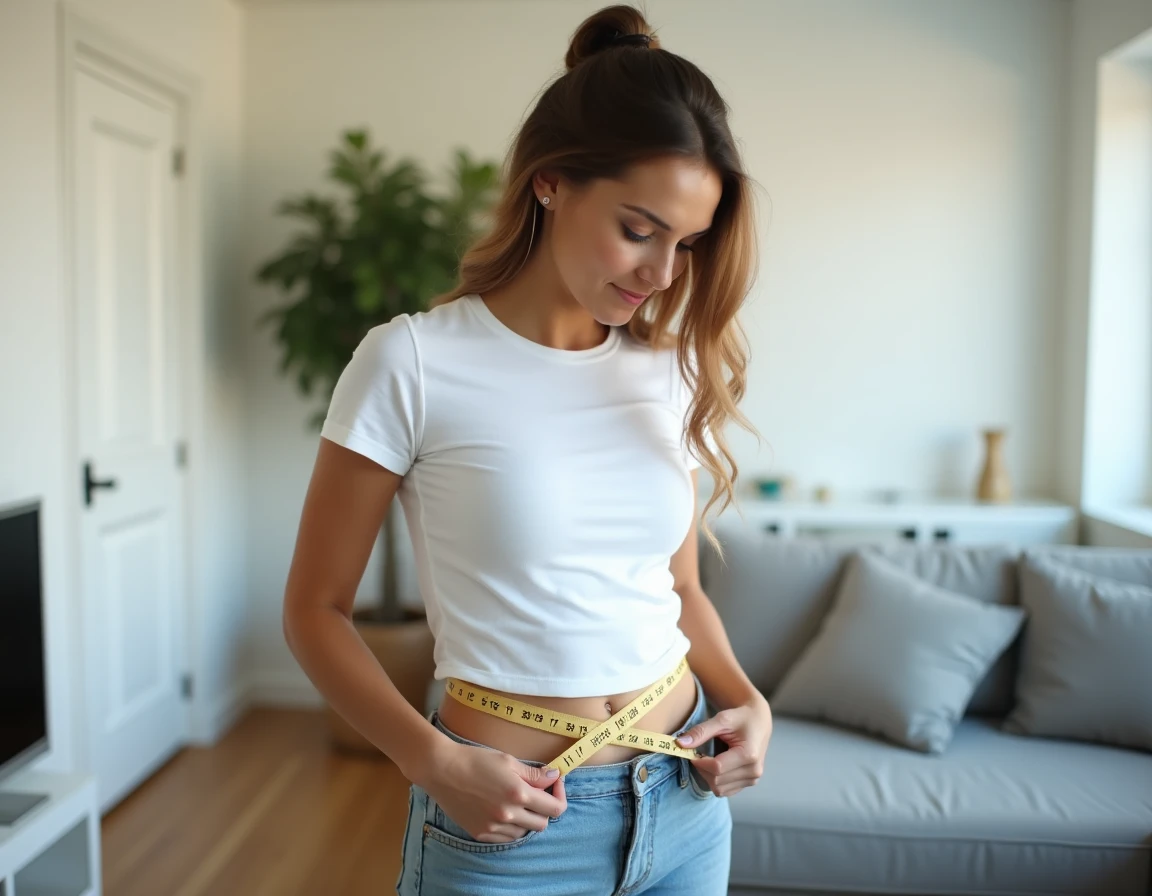
Ordering a piece of clothing online and receiving one that is too tight or too loose is a situation most buyers on Zalando have experienced. The problem doesn’t always stem from a poor choice: the size discrepancies between brands are real, and a size 38 from an Italian manufacturer does not correspond to a size 38 from a Scandinavian brand.
Choosing the right size on Zalando involves combining several tools available on the platform, as well as adopting some practical habits before finalizing your cart.
Train the Zalando algorithm with your purchase and return history
Zalando does not simply display a static size chart. The platform uses data linked to your account to refine its size recommendations over time. Each retained purchase, every return motivated by a size issue, and every review left on an item contribute to a profile of preferences.
This mechanism works best when you provide the specific reason for a return. If you indicate “too small in the chest” rather than just “does not fit,” the algorithm has usable information. The difference becomes noticeable after a few orders: size suggestions become more reliable as your history grows.
You also have the option to enter your measurements in the “My Sizes” section of your account. This feature is linked to your unique profile and works across the different platforms of the group (Zalando, Lounge, Privé), allowing you to find your fit preferences from one site to another. Few guides mention this multi-platform continuity, even though it prevents you from starting from scratch with each new order.
To complement this approach, you can consult a Zalando size guide that details the correspondences by clothing category.
Body measurements and size charts: the reliable method
Before even looking at the label of an item, take your measurements with a soft measuring tape. Three measurement points are sufficient for most clothing.
- Chest circumference: measured at the widest point, under the armpits, while breathing normally. This measurement is crucial for tops, jackets, and dresses.
- Waist circumference: at the narrowest part of the torso, usually above the navel. Useful for pants, skirts, and belts.
- Hip circumference: at the widest point of the hips, including the buttocks. A measurement not to be overlooked for pants and fitted dresses.

With these numbers in hand, compare them to the size chart displayed on each Zalando product page. Do not rely on the size you usually wear from another brand. The differences in cuts between manufacturers can be significant, especially for Australian or American brands whose sizing grids differ greatly from European standards.
The Zalando size guide also provides indications by body type and pant cut (slim, regular, loose). The same waist measurement can correspond to two different sizes depending on the chosen cut.
Customer reviews and product pages: leveraging the experiences of other buyers
Reviews left by other buyers represent a source of information often more telling than a size chart. Zalando frequently displays indications such as “size small” or “size large” in summary of user feedback. This intersection of technical data and real feelings is particularly useful.
Make a habit of reading comments that mention measurements close to yours. A buyer who states she has the same chest size and usually wears M will inform you better than an overall rating. Detailed reviews with measurements are the most reliable for anticipating the actual fit.
Not all brands benefit from the same level of precision in algorithmic recommendations. Brands that are very present on the platform, with a high volume of sales and returns, generate more refined data. For a brand that is less sold on Zalando, size suggestions remain more approximate. In this case, customer reviews become your best reference.
Zalando’s free returns: a safety net to use wisely
Zalando’s free return policy is not just a logistical advantage. It can become a strategic tool for refining your sizes. Ordering two sizes of the same item, trying both, and returning the one that doesn’t fit is a common practice.
This approach has a direct effect on the accuracy of future recommendations. By keeping the right size and returning the other with a clear reason, you enrich your profile. Each motivated return improves the relevance of size suggestions for your next orders.
It should be noted that this ease of return also has an environmental dimension that is rarely addressed. Reducing size errors means reducing the back-and-forth of packages. Zalando has also presented its size recommendation tool as an evolution aimed at limiting returns related to size issues. The better you inform your profile, the fewer packages you return.
Sportswear and specific items: sizes apart
Sportswear sold on Zalando often follows its own sizing grids. A running legging fits differently than a slim jean, even if both are labeled “M.” Stretch materials, technical cuts, and specialized brands require you to systematically check the specific size guide for the item.
For sports items, rely on measurements in centimeters rather than the letters S, M, L. Size correspondence charts in centimeters eliminate the ambiguity of alphabetical sizes, which vary from brand to brand.
Shoes pose a similar problem. A European size 39 may correspond to different sole lengths depending on the manufacturer. Measure your foot at the end of the day (when it is widest) and refer the measurement to the shoe guide on the product page.

The most effective reflex remains to combine three sources before each order: your own measurements, the size chart of the item, and reviews from buyers with similar measurements. With a regularly updated “My Sizes” profile and well-informed returns, the platform’s recommendations gradually adjust. After a few orders, the size suggested by Zalando increasingly matches the correct one.