The cultural programs of 2026 are not just a checklist of exhibitions. Behind the posters, French cities and several global metropolises are repositioning their identity around culture and the arts. This movement is transforming how museums, festivals, and live performance venues engage with their audiences.
Free admission to municipal museums: the Marseille model changes the game
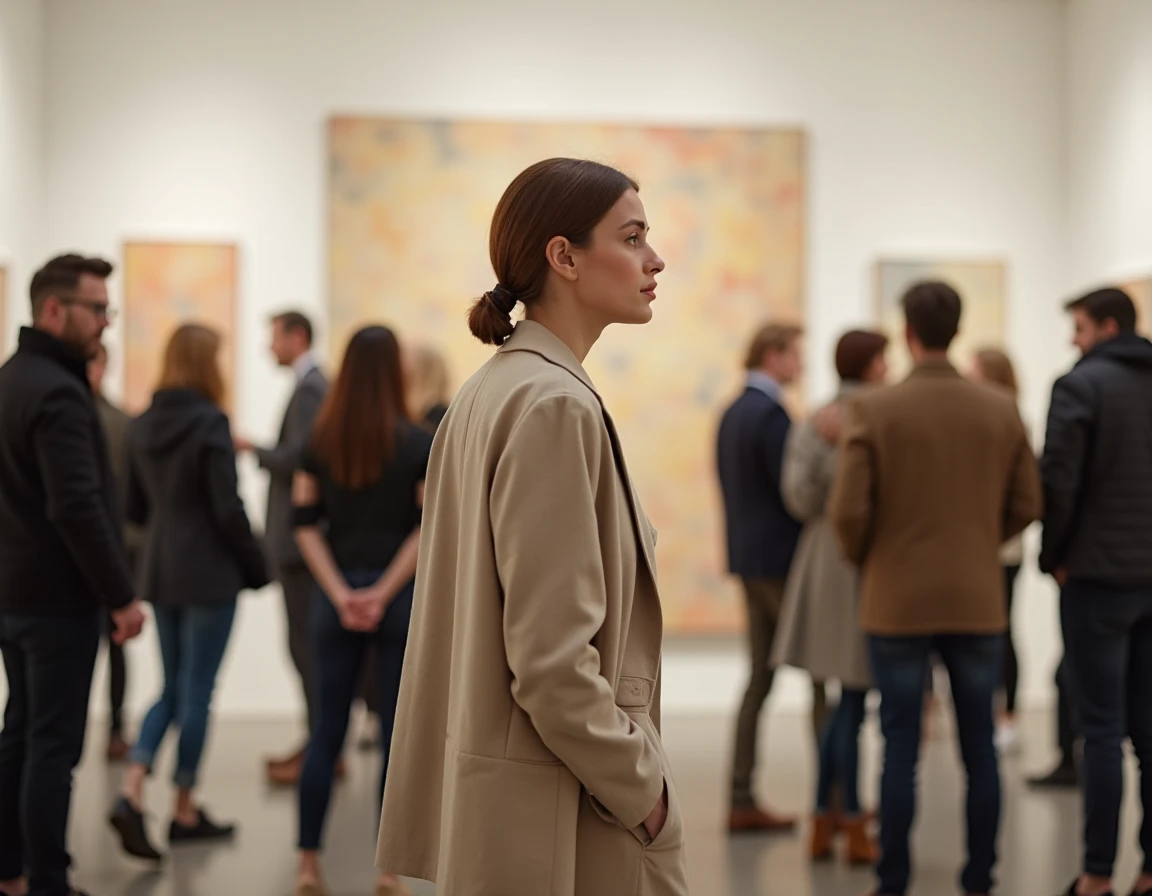
You may have noticed that some cities promote free admission to their museums as a tourist argument, without specifying the actual conditions? Marseille has taken a different direction. Access to the permanent collections of municipal museums is free for everyone, all year round. All of the city’s museums open their doors free of charge on the first Sunday of the month.
This policy is not just a one-off communication stunt. It is part of a sustainable strategy to broaden audiences. The goal is to bring in residents who have never set foot in museums, not just tourists looking for a Sunday program.
Other French metropolises are closely observing this model. Lyon, Bordeaux, and Roubaix are developing their own facilitated access initiatives, with programs designed to attract a regular local audience. The details of these initiatives, and more broadly the trends shaping the cultural world, are closely monitored on bart-magazine.com, which covers the intersections between contemporary art, design, and society.
Exhibitions 2026 in France: cultural showcases designed as tools for territory
Paris, Lyon, Marseille, Bordeaux, Roubaix: these cities do not schedule their major exhibitions randomly. Each major event serves a dual purpose: attracting visitors and positioning the city in the cultural competition among French and European metropolises.
Why this choice? Because a large-scale temporary exhibition generates much more than a surge of visitors for a few months. It structures the image of a territory in the long term. National guides dedicated to the 2026 exhibitions present these programs as a showcase of France’s place in the international cultural competition.
Exhibitions are becoming markers of local policy, just like an urban planning project or a transport infrastructure. This changes the relationship between local authorities and cultural institutions: the museum is no longer just a place of conservation; it becomes a lever for territorial attractiveness.
What this means for the visitor
The public gains a diversity of choices. Medium-sized cities are investing in ambitious programs to ensure that Paris does not capture all the attention. For the visitor, this means museum-quality exhibitions are accessible outside the capital, often with much shorter lines.
New museums around the world: culture as a geopolitical tool
Beyond French borders, a fundamental trend is emerging. Several countries are inaugurating museums in 2026 that are designed as true architectural icons. These buildings do not only serve to house collections. They assert a country or a city’s place on the global cultural map.
A prestigious architecture award has recognized several of these new venues, highlighting the quality of the projects and their programmatic ambition. This phenomenon is not new (think of the Guggenheim in Bilbao in the 1990s), but it is taking on a different scale in 2026.
European capitals are not lagging behind. The Time Out ranking of the best cultural cities in Europe for 2026 highlights metropolises that are massively investing in their cultural infrastructures. Culture is becoming a competitive field among cities, just like tech or finance.
What distinguishes this wave from previous ones
- The new museums do not just exhibit: they integrate creation spaces, artist residencies, and digital mediation from their conception.
- The architecture of the building itself becomes a point of attraction, sometimes more than the collections it houses.
- The programming is designed from the outset for multiple audiences (schools, families, professionals, international tourists), rather than being adapted afterward.
Live performance and festivals: the return of a demanding audience
Film, theater, and music festivals are undergoing a period of redefinition. The audience that has returned after the health crisis expects more than just simple entertainment. They are looking for experiences, hybrid formats, and proposals that blend artistic disciplines.
The festivals that perform best in 2026 are those that have managed to renew their programming without renouncing their identity. This involves collaborations between artists from different disciplines (visual arts and music, dance and cinema), as well as increased attention to the audience’s reception conditions.
Digital ticketing and communication on social media are no longer enough to fill venues. What makes the difference is a festival or performance venue’s ability to create a loyal community that returns from one edition to the next.
Three criteria that distinguish successful festivals
- A clear artistic line that allows the audience to know what to expect without consulting the full program.
- Pricing adapted to various budget levels, with free or reduced-price proposals for young audiences.
- A strong local anchoring: partnerships with local artists or organizations, rather than a programming disconnected from the place.
Culture and the arts in 2026 are not just a calendar of exhibitions or movie releases. The programming choices reflect territorial strategies, geopolitical ambitions, and a transformation in the relationship between audiences and institutions. Following these movements allows for a deeper understanding of what is truly at play in the cultural world, beyond the posters.