A warning light on the dashboard, windshield wipers leaving streaks, a slightly flat tire: these little daily signals often go unnoticed until the bill arrives. Maintaining and repairing your car doesn’t necessarily require a lift or years of training. A few regular actions are enough to extend the vehicle’s lifespan, maintain its safety, and limit trips to the garage.
Regenerative and hybrid brakes: wear that few anticipate
Have you noticed that the brake pads on a hybrid vehicle seem to last longer than those on a conventional vehicle? It makes sense: regenerative braking recovers some of the energy and puts less strain on the discs. The trap is that this reduced strain creates a false sense of security.
According to a Consumer Reports report published in March 2026, regenerative brakes wear prematurely without monthly maintenance. Corrosion builds up on underused discs, especially in humid climates. On a conventional thermal vehicle, wear is more linear and predictable.
If you drive a hybrid, get into the habit of braking firmly from time to time on an open road. This simple action cleans the surface of the disc and prevents rust from setting in. To deepen your knowledge of auto mechanics and find guides tailored to each type of engine, you can visit https://passionautomeca.fr/, which gathers accessible technical resources.
Car maintenance in vanlife: going without a garage on the road
Going on a long road trip or living in a van means accepting to become a bit of your own mechanic. Access to a garage is rare, sometimes nonexistent for weeks. Adapting your maintenance to this constraint changes the game.
The mobile maintenance kit to keep on hand
Before hitting the road for a long journey, put together a minimal but complete kit:
- A set of socket wrenches, a stable jack, and a spare tire in good condition, checked before each departure
- Engine oil compatible with your vehicle (at least two liters), a spare oil filter, and a foldable oil catch pan
- Coolant, concentrated windshield washer fluid, and a roll of aluminum tape for temporary repairs on the exhaust
- A basic multimeter to test the battery voltage, especially if you use electrical equipment in the van
Checking the battery each week prevents most breakdowns while traveling. A voltage below the nominal threshold at rest indicates a tired battery. In vanlife, the double demand (starting and living equipment) accelerates this wear.
Oil change and level checks without a lift
Changing oil in a rural parking lot is possible. Just locate the oil pan plug, slide the catch pan under the vehicle, and let the oil drain at warm cold. Replace the oil filter at the same time. The operation takes less than an hour.
The Bosch Mobility Trends 2025 report notes that smartphone apps now allow users to follow repair tutorials (like changing brake pads) in real-time, making maintenance accessible without professional tools. For a traveler, this type of resource replaces the local mechanic.
Tires and belts: visual checks that prevent breakdowns
No need for sophisticated equipment to spot a problem with your tires or belt. The eye is enough, provided you know where to look.
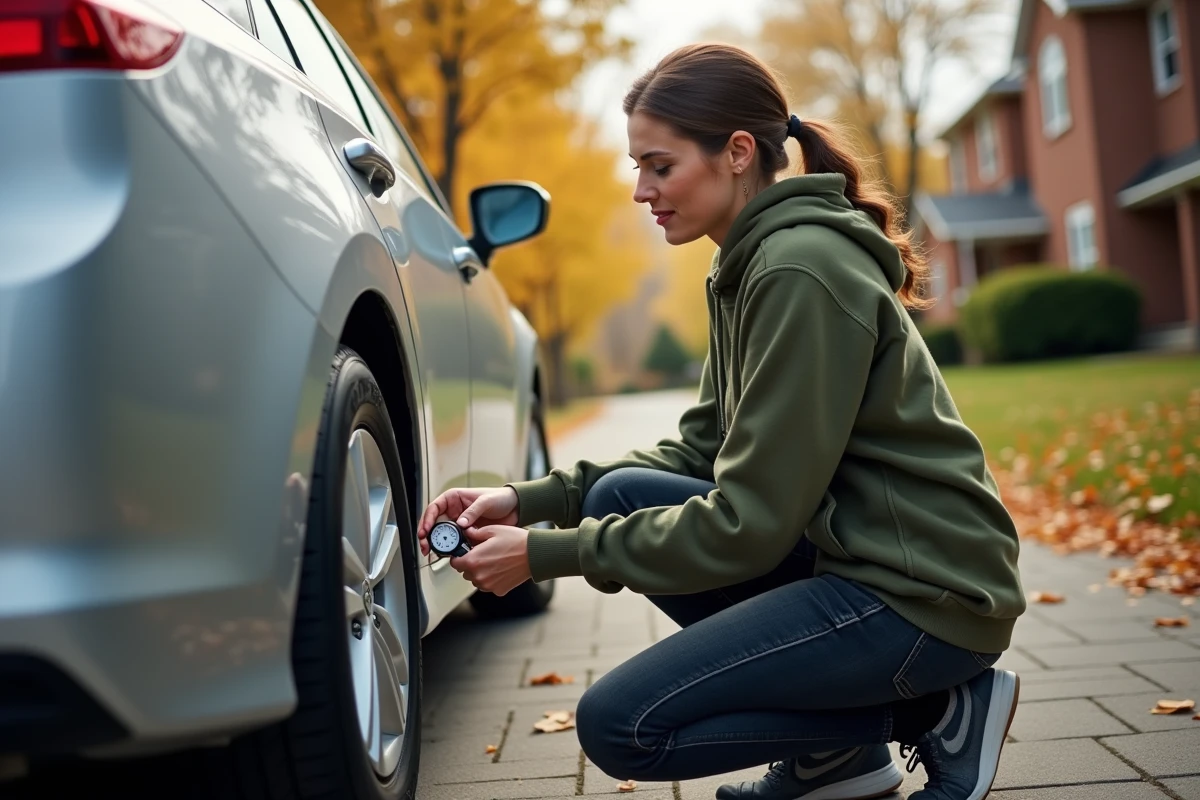
An underinflated tire increases fuel consumption and degrades road handling. The check takes thirty seconds with a pocket gauge. Do it cold, at least once a month, and before each long trip. Take the opportunity to inspect the sidewalls: a cut, bulge, or deformation requires immediate replacement.
The accessory belt (or timing belt depending on the models) deserves a regular look. Visible cracks on the surface, a frayed edge, or a whistling noise at startup signal a belt nearing the end of its life. Replacing a worn belt costs much less than a damaged engine.
Synthetic vegetable oils: what biosourced fluids change
Biosourced engine oils have spread rapidly in recent years. A study by ADAC published in February 2026 reports that mechanics have observed a significant reduction in engine oil-related breakdowns since the widespread adoption of these synthetic vegetable oils, particularly in temperate climates.
Specifically, these fluids offer better thermal stability at moderate temperatures. For a driver who mainly drives in the city or in temperate zones, switching to a biosourced oil compatible with manufacturer specifications can extend intervals between oil changes. Always check the standard listed on the container and compare it to that indicated in the maintenance booklet.
However, if you drive in extreme conditions (high heat, mountains, towing), experiences are less clear-cut. Stick to the manufacturer’s recommendations in this case.
Wipers and lighting: the forgotten aspects of car maintenance
Wipers are among the easiest parts to replace, yet their condition often deteriorates without attention. Blades that leave streaks or vibrate on the windshield compromise visibility in the rain.
Replacement is tool-free: lift the arm, unclip the old blade, clip on the new one. Plan to change them at least once a year, more often if the vehicle is often in direct sunlight.
For lighting, a quick visual check in front of a wall is sufficient. Turn on the low beams, turn signals, and reverse lights. A burnt-out bulb goes unnoticed while driving but not during the technical inspection. Keep a spare bulb set in the glove compartment.
Daily car maintenance relies on short, repeated actions and the habit of checking what we neglect. A tire checked each month, a battery tested before winter, wipers changed on time: these details make the difference between a reliable vehicle and a series of unpleasant surprises.