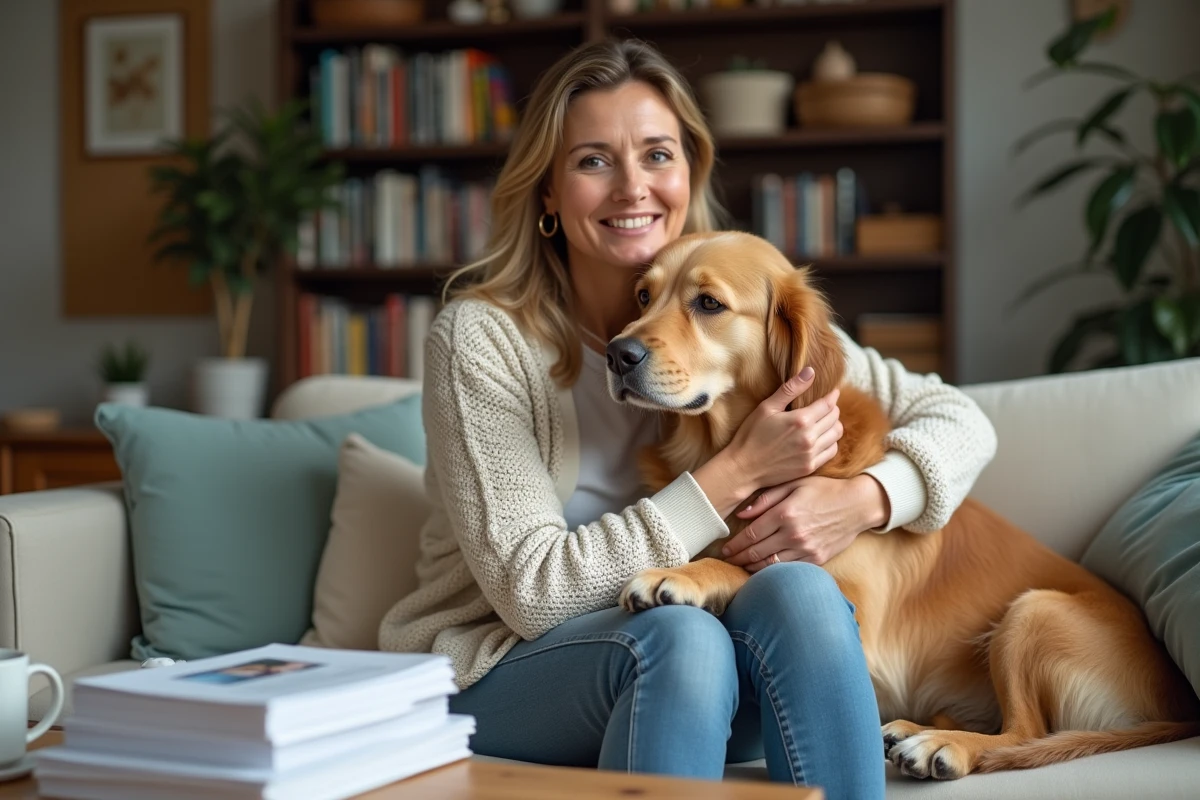
A chilling figure: every year, more than 100,000 animals are abandoned in France. In light of this reality, adoption is not a trivial act. It commits one, sometimes for over a decade, and requires looking beyond the impulse of the heart. An adopted animal can be returned to the shelter if its owner feels unable to meet its needs, but this option is rarely mentioned. In France, adoption involves a legal contract, the scope of which varies depending on the organizations and the type of animal involved. Some associations systematically refuse adoption to people without prior experience or without outdoor space, while others prioritize personalized support.
The administrative formalities, mandatory veterinary appointments, and additional costs are unavoidable steps. Yet, many adopters discover late the daily requirements and long-term commitments involved.
Questions to ask before adopting: are you really ready to welcome an animal?
Adopting a pet commits the family for several years. Responsibility, lifestyle adaptation, anticipation of needs: each adoption raises major questions. Before taking any steps, consider your daily life. Does your schedule allow for the presence of a dog, whose walks punctuate the day, or a cat, more independent but requiring stimulation and care?
Before you dive in, check that your situation truly allows for the welcoming of an animal, taking into account several key points:
- Is your housing suitable for accommodating an animal? Some dogs require a secure garden, while other companions can adapt to an apartment, provided the environment is enriched.
- The budget: veterinary costs, food, accessories, unexpected expenses. Adoption is not limited to signing a contract; it involves ongoing management over time.
- Does the family share the desire to welcome an animal? A consensus is necessary to ensure the future companion stability and affection.
Adopting an animal must adapt to the lifestyle, not the other way around. Seeking advice is crucial: reliable resources, such as the page https://www.adopcje.org/ titled “Ado PCJE – Tips for Your Pets,” shed light on the reality of a lasting commitment. The shelter’s experience, the quality of dialogue with professionals, and respect for the animal’s rhythms will guide a thoughtful decision, far from a mere impulse.
Dog or cat: what are the differences in adoption and daily life?
Choosing between a dog and a cat means opting for a radically different daily life. From the first encounter at the shelter, the reality becomes clear: the dog demands constant presence, regular outings, and develops a close relationship with its owners that structures each day. The cat, on the other hand, accommodates a certain autonomy but requires a territory to explore, high hiding spots, and its share of attention, discreet yet regular.
Several criteria come into play at the time of adoption. Breed, size, and temperament of the animal will weigh on the choice, but also on the continuation of cohabitation. A large-breed puppy disrupts family organization: firm training, long walks, energy to channel. An adult cat, sometimes, integrates more quickly into apartment life, provided it has suitable activities that cater to its natural instincts.
Here’s what distinguishes daily life with a dog or a cat:
- Life with a dog structures the days: walks, play, training, managing solitude.
- Life with a cat encourages flexibility: managing the litter box, enrichment through play, respecting rest phases.
Animal protection ensures that each adoption corresponds to the family environment and the lifestyle of the future adopters. Welcoming a dog or a cat means opening a new chapter, filled with learning, patience, and daily discoveries. The rules vary, the needs differ, but fidelity to the initial commitment remains the common thread of an adoption that keeps its promises.
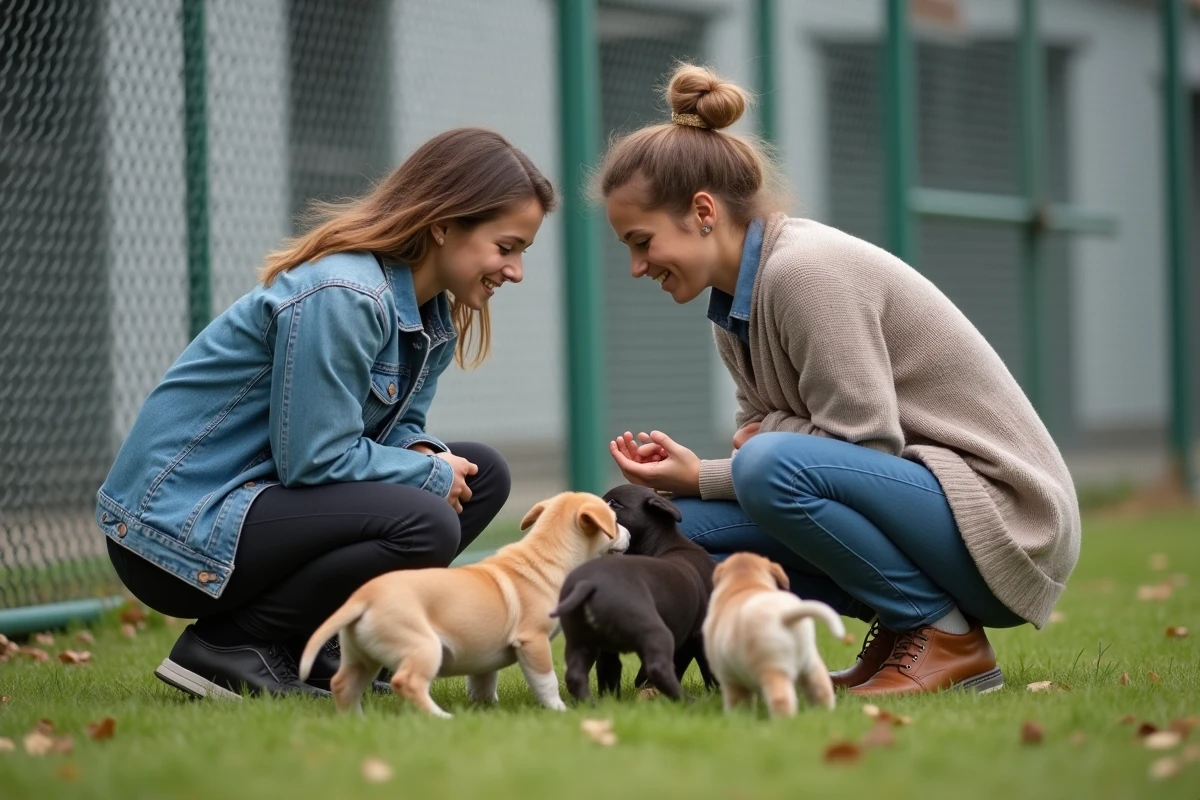
Well-being, veterinary follow-up, and advice for a successful adoption
Adopting a pet is not something to be improvised. The health of the newcomer requires immediate actions: identification, veterinary assessment, up-to-date vaccinations. Even before arriving home, it is recommended to consult a veterinarian to assess the situation, check the general condition, organize initial care, and plan for sterilization if needed. Registration in the national identification file represents an additional security: each animal must be registered there, ensuring valuable traceability in case of escape or loss.
To ensure the well-being of the new arrival, several reflexes are essential:
- Ensure that the animal is properly identified (microchip or tattoo).
- Make an appointment for regular veterinary follow-up: vaccine reminders, deworming, dental check-ups.
- Prepare an environment suitable for the species and temperament: bedding, toys, secure space.
Animal protection emphasizes vigilance regarding changes in behavior, often indicative of physical or psychological issues. Quality food, daily stimulation, and respecting the animal’s rhythm: all these constitute the foundation of animal well-being. Many shelters offer support after adoption, a welcome assistance to navigate the first months and strengthen the bond with your new companion.
Regulations require the identification of any dog or cat before transfer. In case of escape, this process facilitates the return to the family, thanks to the national identification file. Getting involved, being attentive, seeking information from professionals: all these are levers to make adoption a success, for the animal as well as for those who welcome it. Adoption is not just about providing a roof: it’s about learning to live together, to discover one another, to weave a unique bond. Who knows? Perhaps this encounter will change much more than your daily life.